As digital humans, digital twins and predictive tools develop, the connection between new knowledge and practical benefit deserves as much attention as the technology itself.
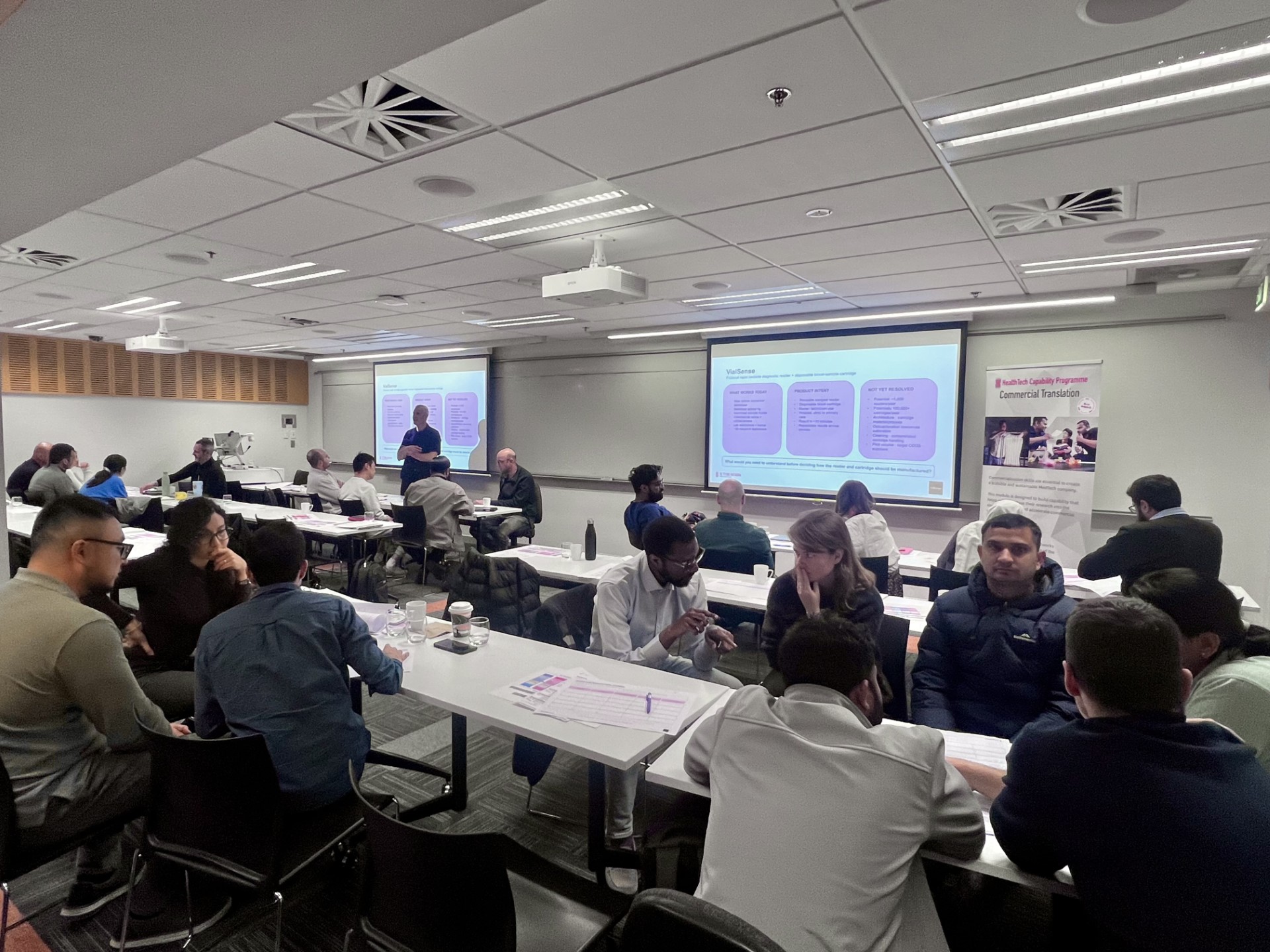
That challenge was the focus of Health in Your Hands, hosted by Medtech-iQ Aotearoa and BioTechNZ during Auckland Startup Week. Professor Merryn Tawhai, Director of the Auckland Bioengineering Institute, delivered the keynote and joined a panel with Dr Maneesh Deva from Health New Zealand Waitematā and John Macaskill-Smith, CEO of Spark Health. Lari Dkhar from New Zealand Growth Capital Partners (NZGCP) chaired the discussion. The event attracted 120 attendees from across the ecosystem.
For New Zealand’s health technology sector, this means thinking about how an innovation will be used from the beginning. A research model might offer a new insight into the body. The next question is how that insight could change a clinical decision, and what evidence would justify using it in someone’s care.
Clinical trust needs to be built into that process. Before relying on a new tool, a clinician needs to understand its purpose, how it has been evaluated and where its limitations lie. They also need to know what to do with the information it provides. Continuous health data, for example, should have a clear role in care: what change warrants attention, who responds, and how quickly? Those questions belong in the design process, alongside the technical ones.
The patient’s role deserves equal attention. Personalised healthcare should help people understand their options and participate in decisions. A useful test is whether someone can explain what the information means for them after an appointment. If interpreting a result requires specialist knowledge, the work of making that result useful is still unfinished.
We also need to ask who is represented in the technology we develop. The prospect of a full female digital human prompts a wider question about whose physiology our models reflect. In Aotearoa, that scrutiny should extend to how tools are developed and evaluated for Māori and Pacific people. We should ask whose data informs a model, whose outcomes are assessed and who helps decide what success looks like.
Trust in connected health information also depends on meaningful decisions about its use. Consent should make clear what people are agreeing to and what choices remain available to them. Māori data sovereignty requires attention to Māori authority over data and its use, with those conversations shaping partnerships and governance from the outset.
Access needs the same early consideration. A tool intended for everyday healthcare should be designed around the circumstances in which people will use it. What does it require of someone living rurally, managing the cost of care or struggling to get an appointment? Who will fund its use, and how will it fit into existing services? These are questions for development and commercialisation, as well as eventual delivery.
For founders, this creates a practical starting point: identify a decision that needs improving, then work with the people who make it and those affected by it. Partnerships between researchers, clinicians and industry can help clarify the evidence, service requirements and route to adoption while there is still room to change the design.
Medtech-iQ Aotearoa's role in connecting those perspectives is particularly relevant here. Bringing people together early creates opportunities to test assumptions about usefulness and access before they become difficult to change.
The ambition for personalised healthcare should be something a person can recognise in their own care: a decision they understand, informed by evidence relevant to them, with a service they can actually access.